

Thursday, April 16th
Education Sessions
9:20-10:20 AM
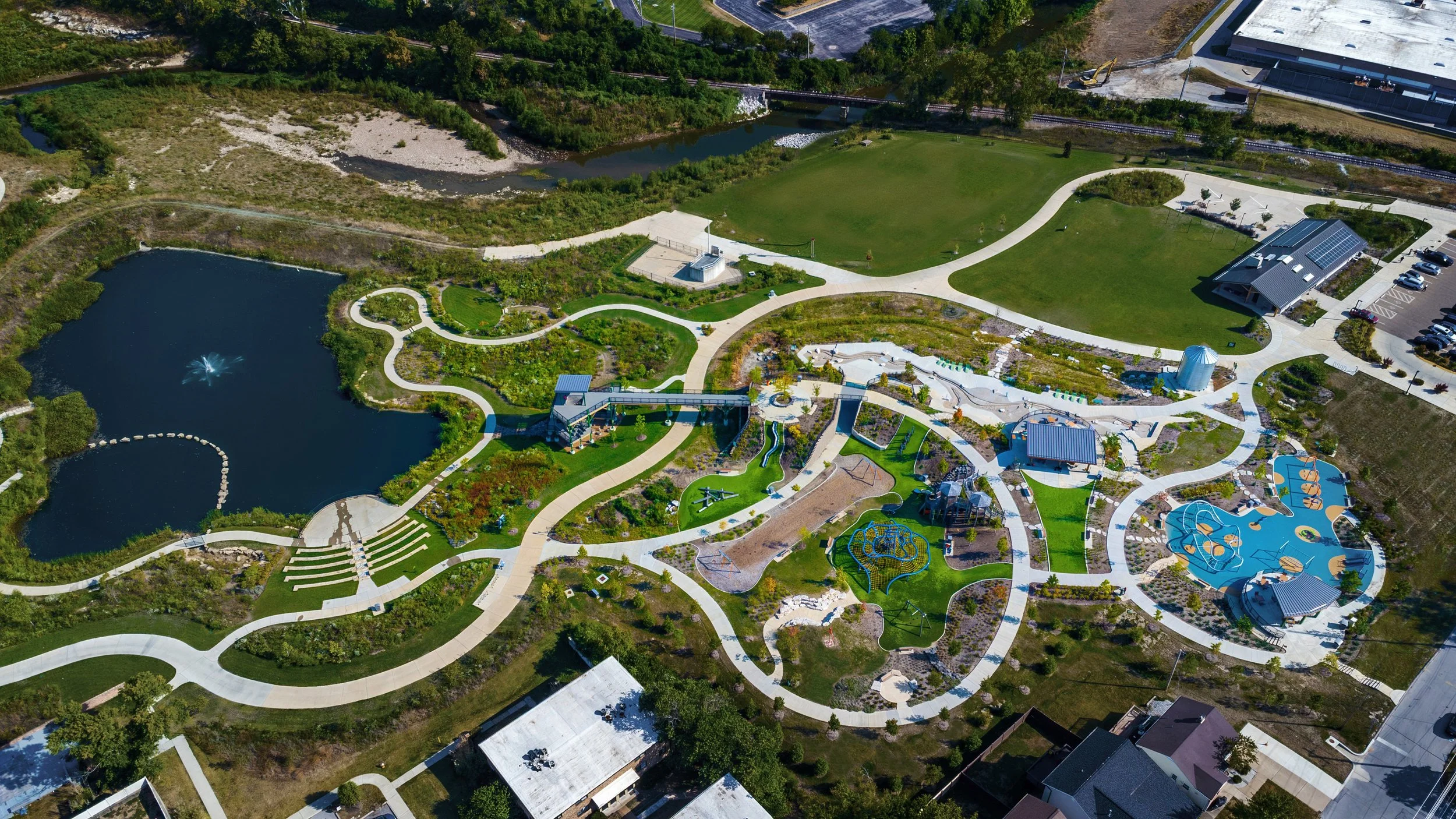
Brentwood Bound: The Perfect Storm of Parks, People, and Flood Mitigation
Andrew Franke, Ted Spaid, Eric Gruenenfelder
1.0 LA CES HSW
-
Repeated flooding along urban creek corridors presents complex challenges that extend beyond traditional engineering solutions. In Brentwood, Missouri, decades of flood events impacting commercial areas, roadways, and neighborhoods inspired a new approach—one that positions parks and landscape architecture as both infrastructure and narrative. This session explores how a comprehensive park and greenway system was intentionally designed to manage floodwaters while also telling the story of the community and its landscape.
Through integrated planning and design, floodplain restoration, stormwater storage, channel improvements, and trail connections were woven into a unified park framework. Recreation amenities, including a destination playground, were thoughtfully incorporated within the floodplain to ensure safety, durability, and functionality during high-water events, while simultaneously creating spaces where everyday life unfolds. Rather than treating flood mitigation as a constraint, the project reframed water as a design driver—transforming infrastructure into a living story that supports recreation, connectivity, and future redevelopment.
Attendees will gain insight into how landscape architects can collaborate with municipalities, engineers, and stakeholders to develop resilient park systems that perform during extreme weather, build public support, and strengthen community identity. This session highlights lessons learned from designing parks that do more—serving as flood infrastructure first, while narrating the evolving relationship between people, water, and place every day.
9:20-10:20 AM
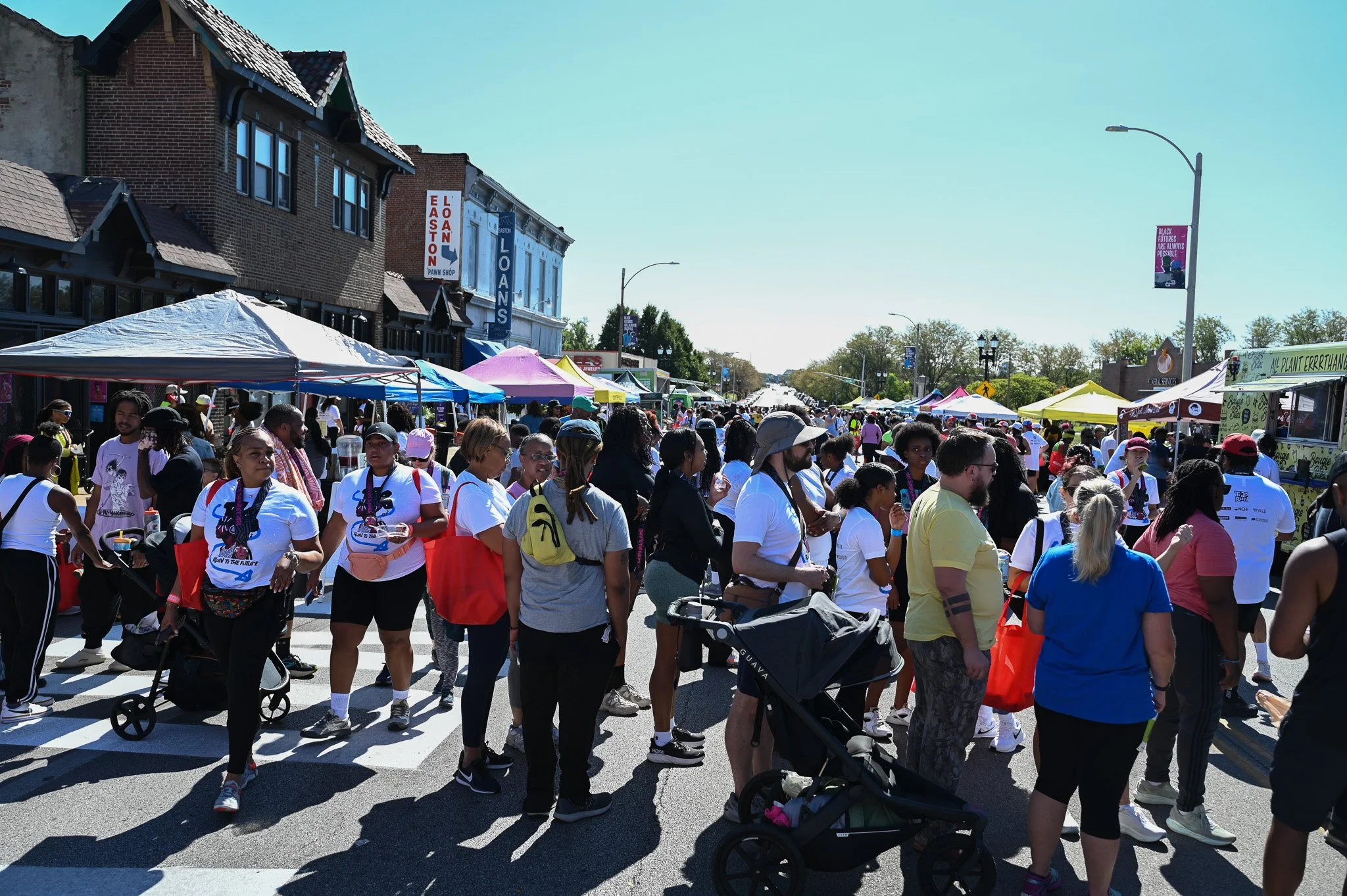
When Community Leads: Collective Impact on the MLK Cultural Boulevard
Tim Buescher, Hallie Nolan, Aaron Williams
1.0 LA CES HSW
-
Dr. Martin Luther King Jr. Drive in St. Louis is a major east–west corridor running through one of the city’s most historically significant African American communities. Like many MLK-named corridors across the United States, it reflects a national pattern in which symbolic recognition has not been matched by sustained investment in infrastructure, environmental health, safety, or local decision-making authority.
The MLK Cultural Boulevard effort began with the understanding that meaningful change would require more than physical improvements. It required addressing how power, governance, and investment decisions are structured. Over a 15-month period, the planning effort was organized around a collective-impact model that balanced community authority and engagement. Residents, institutions, and partners were convened around shared goals, with engagement treated as shared authorship rather than consultation. Paid community liaisons and defined leadership roles ensured that community voices held real influence in shaping priorities and long-term direction.
Working closely with 4theVille - the client and local nonprofit who facilitated this work, Landscape architects conducted corridor-scale analysis of environmental conditions, mobility and safety, land ownership, cultural systems, and development constraints. This analysis informed integrated frameworks for public space, mobility, culture, development strategy, and governance, and articulated multiple corridor character conditions capable of supporting long-term resilience and reinvestment.
The process was tested by real-world disruption. An EF3 tornado in May 2025 struck the corridor and surrounding community during planning, requiring the framework to adapt toward recovery while maintaining long-term goals. The resulting plan demonstrates how landscape architecture can lead corridor-scale planning by designing systems that integrate community leadership, resilience, and stewardship over time.
10:40-11:40 AM
Reclaiming the Blue: A Kansas City Story of Ecological Decline and Collaborative Renewal
Maria Landoni, Logan Heley, Maya Fuller
1.0 LA CES HSW
-
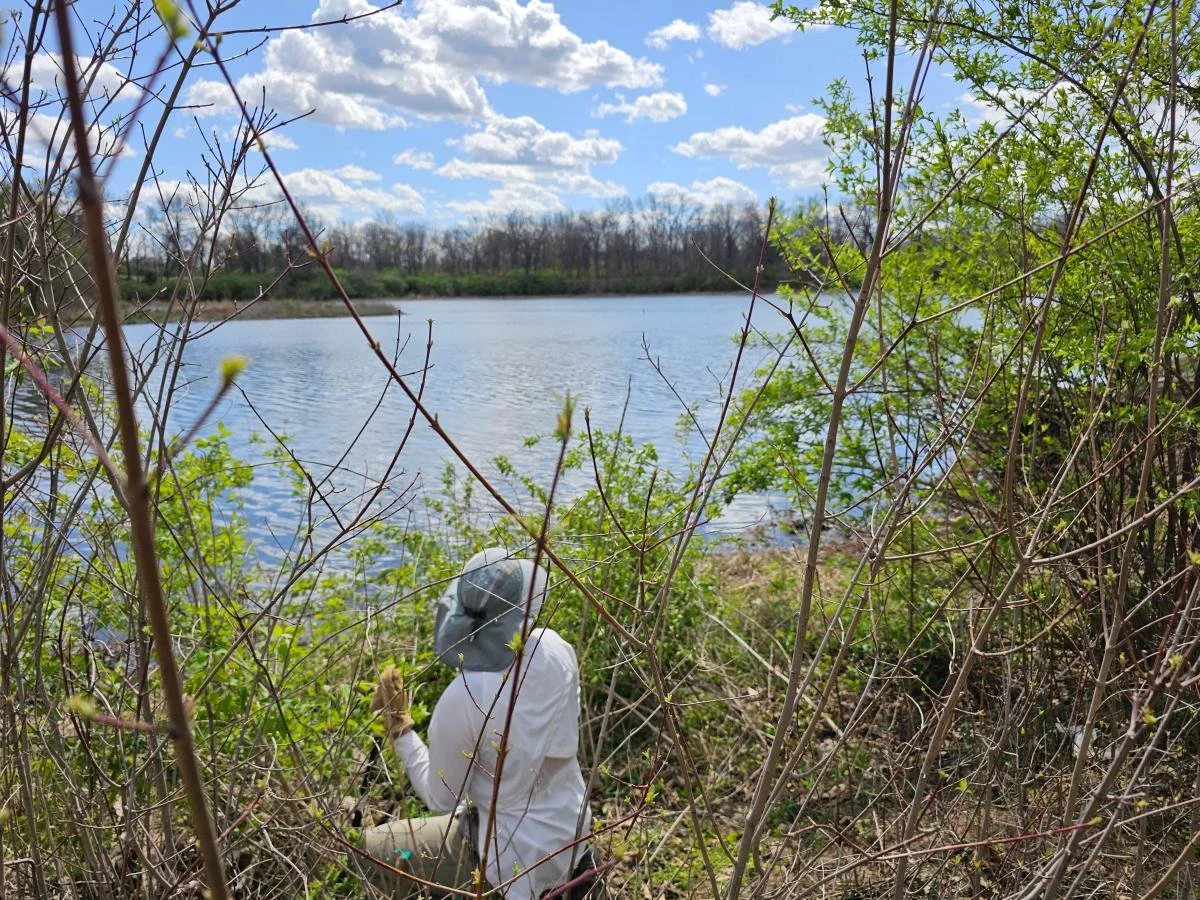
The Blue River—Kansas City's ecological spine and once-treasured natural resource—embodies a story of loss and redemption that resonates across the Midwest and beyond.
For centuries, the river and its watershed sustained native peoples as fertile home-ground. During Kansas City's early growth, the Blue River remained a beloved recreational destination, its pristine waters drawing residents for swimming, boating, and fishing. The city celebrated this waterway for essential ecosystem services: cooling urban heat, filtering air and water, supporting diverse habitat, and supplying materials for the growing metro area.
Then came industrial growth. Polluting land uses colonized the river's margins. The Blue was cinched by unfriendly development and erased from popular memory—no longer a haven, but a forgotten, abused resource.
Yet this difficult history is only part of the story. For the past few decades, passionate and visionary leaders have refused to accept this trajectory. The Heartland Conservation Alliance—an environmental NGO dedicated to protecting, connecting, and restoring the Blue River watershed—now works alongside national partners like The Conservation Fund and local practitioners such as SUR Landscape Architecture to write the river's next chapter.
This session explores how strategic collaboration, ecological restoration, and community engagement are regenerating one of Kansas City's most vital waterway and open space systems—transforming neglect into stewardship and reclaiming the Blue River as both ecological infrastructure and cultural asset.

10:40-11:40 AM
Arboreta:
Living Resources
Cody Azotea, Rebecca Hankins, James Faupel
1.0 LA CES HSW
-
More than just a collection of trees, arboreta play an important role in their community and beyond. They are a valuable resource of living collections, plant conservation, research, education and well-being. For design professionals arboreta can be a source of learning and inspiration. Hear from 3 local arboreta and some of their ongoing projects helping connect people to St. Louis's past, present and future tree canopy.
- WashU arboretum has tripled its diversity of tree species in the last 6 years up to 430 species. The arboretum’s ongoing goal is to collect all woody plant species native to Missouri, to test new species/varieties of trees in a very urban setting, and to partner on collaborative projects within the community that align with these goals.
- Forest ReLeaf of Missouri’s mission is to enrich communities by growing and planting trees through the power of people and partnerships. This effort supports their vision of a more resilient tree canopy in Missouri communities that supports healthy people, healthy habits and a healthy planet.
- Bellefontaine Cemetery and Arboretum has a rich history in St. Louis with a mission to enhance the cemetery by increasing tree species diversity, providing critical habitat for birds and small mammals, and providing an urban oasis for the community. Bellefontaine is the final resting place of men and women whose lives have contributed significantly to the expansion of our country. A visit to their graves provides a keener appreciation of our national heritage by connecting through generations.
12:10-1:10 PM LUNCH
Clarifying Overlapping Practice Between Design Professions
Jerany Jackson, Phil Meyer, Veronica Meadows
1.0 LA CES HSW
-
The ICOR Practice Overlap Initiative brings together leaders from the design disciplines—landscape architecture, architecture, engineering, surveying, and interior design—to clarify where practice overlap is appropriate and where distinct professional scopes exist. This session, led by the landscape architecture members of the ICOR Practice Overlap Task Force, highlights research that incorporates diverse disciplinary perspectives that informed this work and the collaborative approach to defining how practice overlap is defined and regulated.
By identifying clear practice boundaries, this effort promotes fair and competency-based regulation while reducing confusion and inconsistency across jurisdictions. It also helps ensure that all design professionals, including landscape architects, can contribute fully within their scope of practice.
The panel will discuss how defining acceptable overlap and scope distinctions benefits all disciplines, fosters greater clarity in regulation, and strengthens collaboration across professions. Through this work, ICOR is providing a framework that supports interdisciplinary practice while upholding the public protection mission of licensure.
1:20-2:20 PM
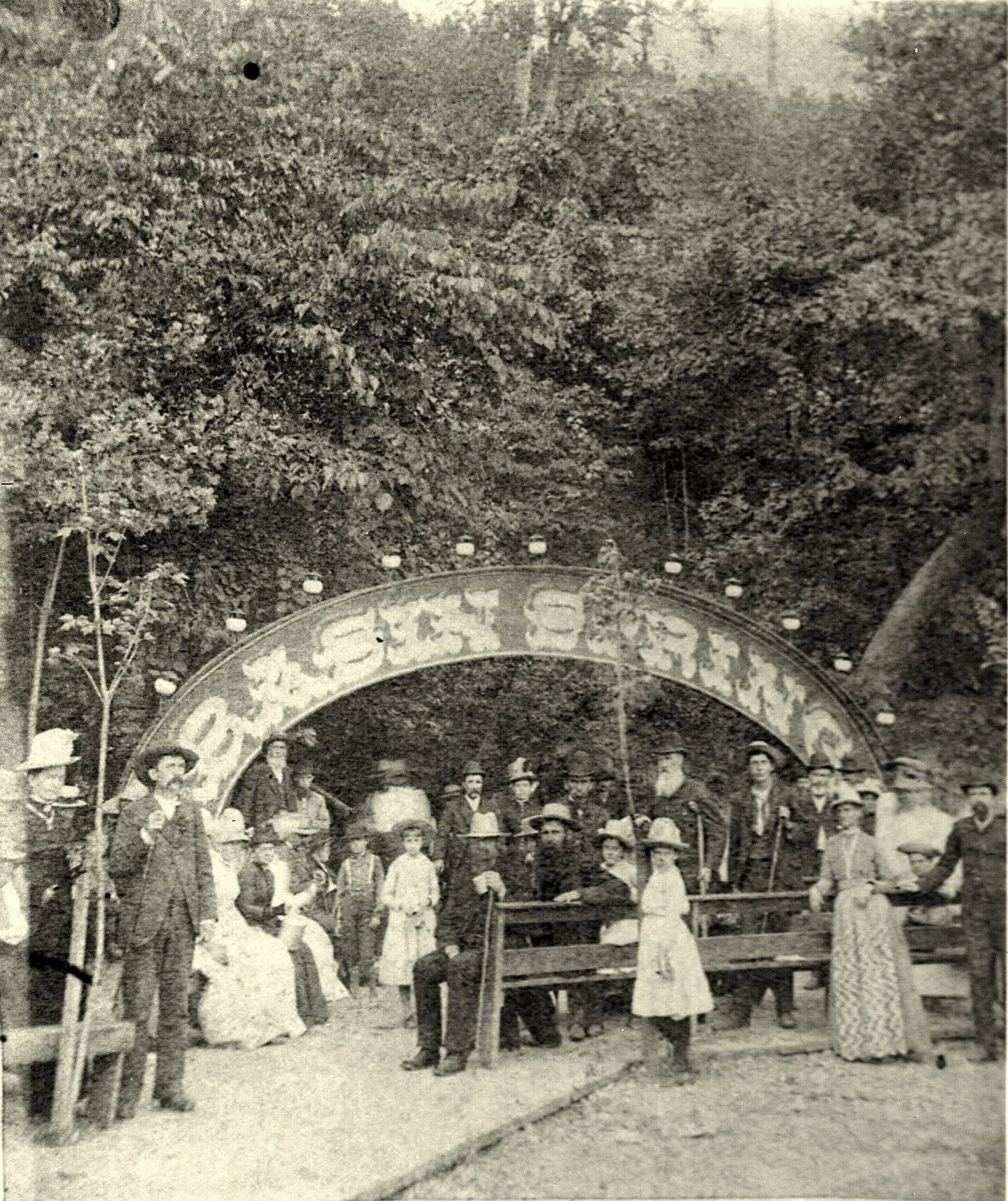
Remembering Significance, Reclaiming Landscape: Basin Spring Park Rehabilitation Plan
Ruxin Tao
1.0 LA CES HSW
-
The Basin Spring Park Rehabilitation Plan provides a comprehensive framework to guide the City of Eureka Springs' continuing efforts in preserving, enhancing, and managing one of its most historically and culturally significant landscapes. Rooted in extensive historical research, site analysis, and community engagement, the plan evaluates the park’s defining landscape features, circulation patterns, and character-defining elements to ensure that future improvements respect its historic significance while accommodating contemporary use.
Two conceptual treatment approaches were developed to explore varying levels of preservation, selective alteration, and enhancement, helping stakeholders understand trade-offs and long-term impacts. Recommended actions are organized by urgency and feasibility, supported by preliminary cost estimates and a phased implementation strategy to guide realistic decision-making, funding coordination, and long-term management—particularly important for small communities stewarding historic landscapes with limited resources.
This presentation highlights how understanding landscape significance can guide practical rehabilitation strategies, demonstrating how historic parks can be thoughtfully adapted to meet present-day needs while safeguarding their cultural legacy for future generations.
1:20-2:20 PM
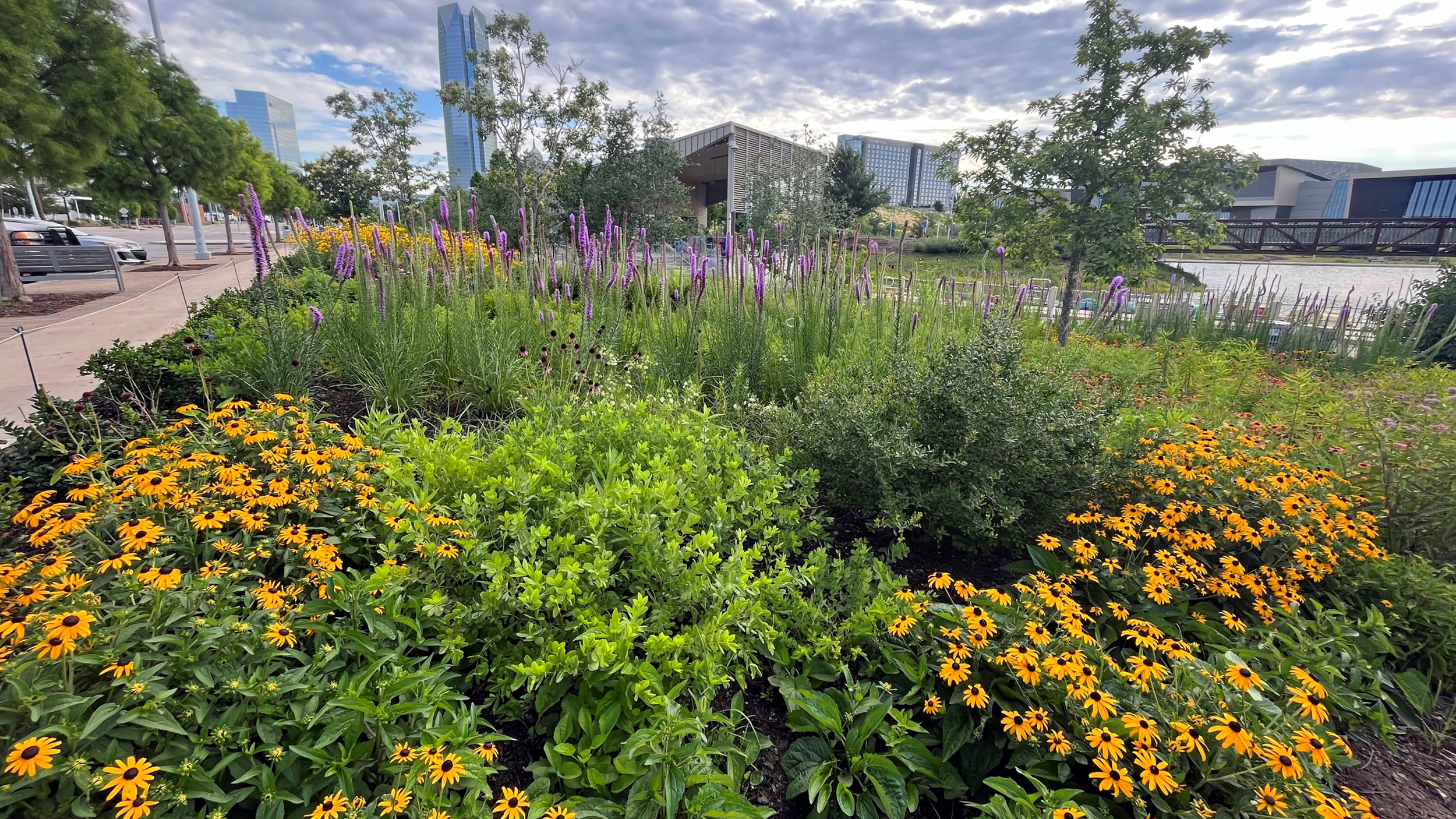
From Roots to Renewal: Native Landscaping
and the Making of Place
Connie Scothorn
1.0 LA CES HSW
-
There are many compelling reasons to prioritize native plants in landscape design. Native species provide essential food and habitat for pollinators—many of which are in steep decline—while improving soil health, adapting naturally to local conditions, and increasing long-term landscape success. In the face of biodiversity loss, landscape architects are uniquely positioned to lead this effort by incorporating a predominance of native plants in their designs.
Despite the advantages, widespread implementation has faced challenges. A historical shortage of native plants in the nursery trade has limited their use. In 2022, I was invited to participate in a panel discussion to address these challenges. That conversation ultimately led to the founding of the Oklahoma Native Plant Network (ONPN), a network of growers, contractors and designers. ONPN promotes the production, marketing, and use of high-quality native plants through education, industry collaboration, and public engagement, with the goal of conserving and restoring Oklahoma’s landscapes. Since its founding, noticeable increases in native plant availability have already occurred.
Through my association with ONPN, I have learned from native plant growers and contractors, gaining insight into strategies that improve both design outcomes and ecological performance that will benefit other LA’s.
Key considerations include referencing the National Wetland Plant List (U.S. Army Corps of Engineers) to match plants with appropriate site conditions and plant compatibility; prohibiting plants treated with neonicotinoids, which pose long-term risks to pollinators; using smaller plant material—plugs to quart sizes—for most applications; and prioritizing locally grown native plants whenever possible.
2:40-3:40 PM
MOmentum Bike Park: Designing and Constructing Missouri’s Largest Bike Park
Lance Klein, Paul Bloomberg, Jeremy Jones, Cole Beckham
1.0 LA CES HSW
-
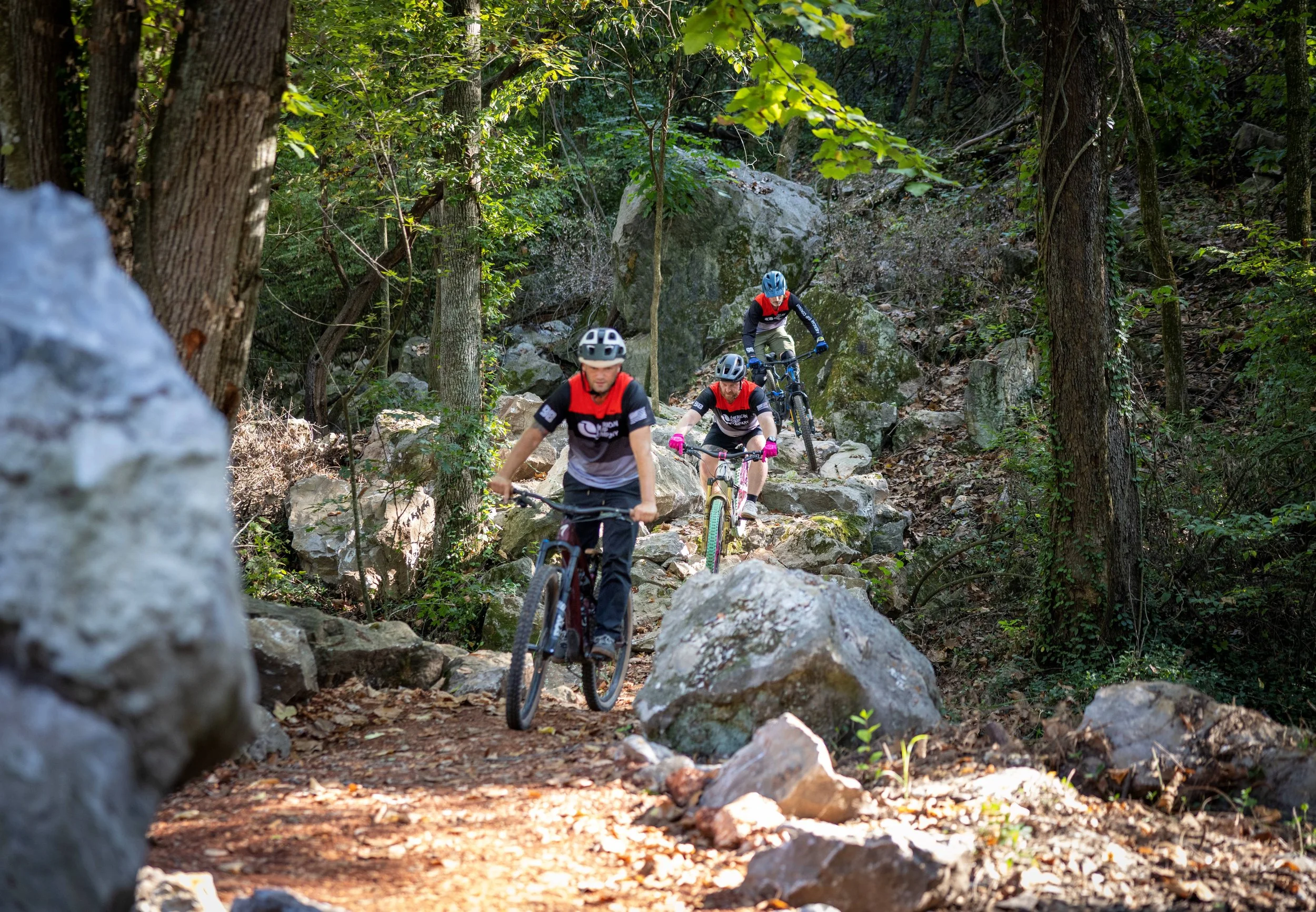
MOmentum Park is redefining what active recreation can look like in mid-sized Midwestern cities. Recently opened in Joplin, Missouri, this premier cycling destination was made possible through an APRA grant and partnership with the City of Joplin and now serves riders of all ages and skill levels across the southern Missouri region.
This session will explore the planning, design, and implementation of this Bike Park through a collaborative lens, featuring co-presenters from SWT Design, the City of Joplin, and American Ramp Company (ARC). Together, the team will present the project as a model for inclusive and scalable outdoor recreation infrastructure that integrates landscape architecture, natural resources, cycling culture, and specialized action sports design. Featuring over nine miles of paved and natural surface mountain bike trails, an asphalt pump track, a children’s bike playground, progressive jump lines, and skills development areas, the park balances accessibility with challenge by welcoming first-time riders while supporting advanced users. Presenters will discuss the background of the projects along with the design process. The session will also examine funding strategies, technical considerations, and phasing decisions that supported a successful outcome.
The design and construction of MOmentum Bike Park is grounded in the belief that great bike facilities are not just collections of features, but thoughtfully connected systems that serve riders of all ages, abilities, and disciplines while becoming a lasting asset to the community. The park is organized around a clear progression-based framework. Entry-level features build confidence and skills, intermediate trails introduce flow and technical variety, and advanced lines provide challenge, speed, and creativity for experienced riders. This intentional progression allows new riders to grow, keeps families engaged, and encourages repeat visitation as skills develop.
Our approach begins with a deep understanding of Joplin’s landscape, culture, and riding community. Trails and features are shaped to work with the natural topography, soils, drainage patterns, and existing vegetation, ensuring durability, safety, and sustainability. Wherever possible, the design minimizes environmental impact while maximizing year-round ride quality and long-term maintainability.
2:40-3:40 PM
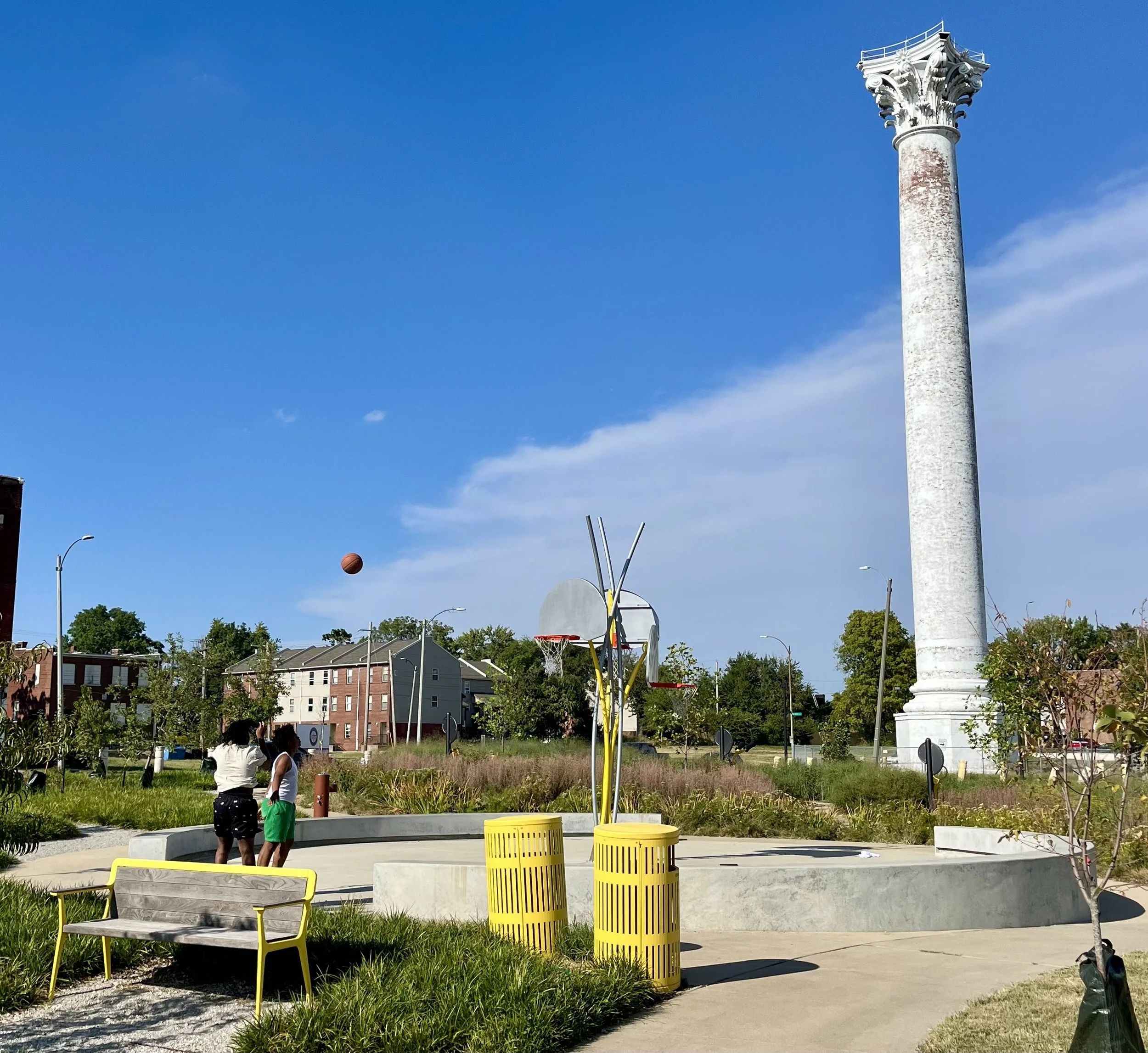
Beyond the Studio: Sustaining Socially Engaged Work through Academia–Practice Partnerships
Alexandra Mei, Irene Compadre, Matthew Bernstine
1.0 LA CES HSW
-
In a region shaped by layered histories, inequities, and environmental challenges, practitioners in St. Louis are testing new approaches to build long-term, community-centered partnerships. This panel explores emerging modes of practice that intentionally blend professional work with teaching and university-based engagement as a way to deepen community relationships and support more enduring, place-based initiatives.
The three speakers will reflect on how integrating academic and professional roles has enabled new approaches to community engagement—ones that prioritize relationship-building with neighborhood organizations, city leaders, and local non-profits. By working across academic studios, research initiatives, professional practice, and organizational leadership, the panelists will explore how they have sustained collaborations over time, allowing community goals and stories to evolve rather than reset with each new project or semester.
Each speaker brings a distinct perspective on this academia–practice blend. Matt Bernstine will speak as the director of the WashU-based office dedicated to socially engaged practice, addressing how institutional structures can support long-term partnerships between communities and the university. Irene Compadre, founding principal of Arbolope Studio, and Alexandra Mei will share insights as practicing landscape architects who teach, discussing how academic settings can serve as spaces to test new engagement methods while remaining accountable to professional and community needs. Alexandra will also reflect on the role of professional organizations, like the local ASLA chapter, in extending these connections beyond individual design studios.
The session will conclude with lessons learned on blending practice and academia, offering strategies for sustaining collaboration and expanding how landscape architecture is practiced in service of living community narratives.
Field Session
4:15-5:30 PM
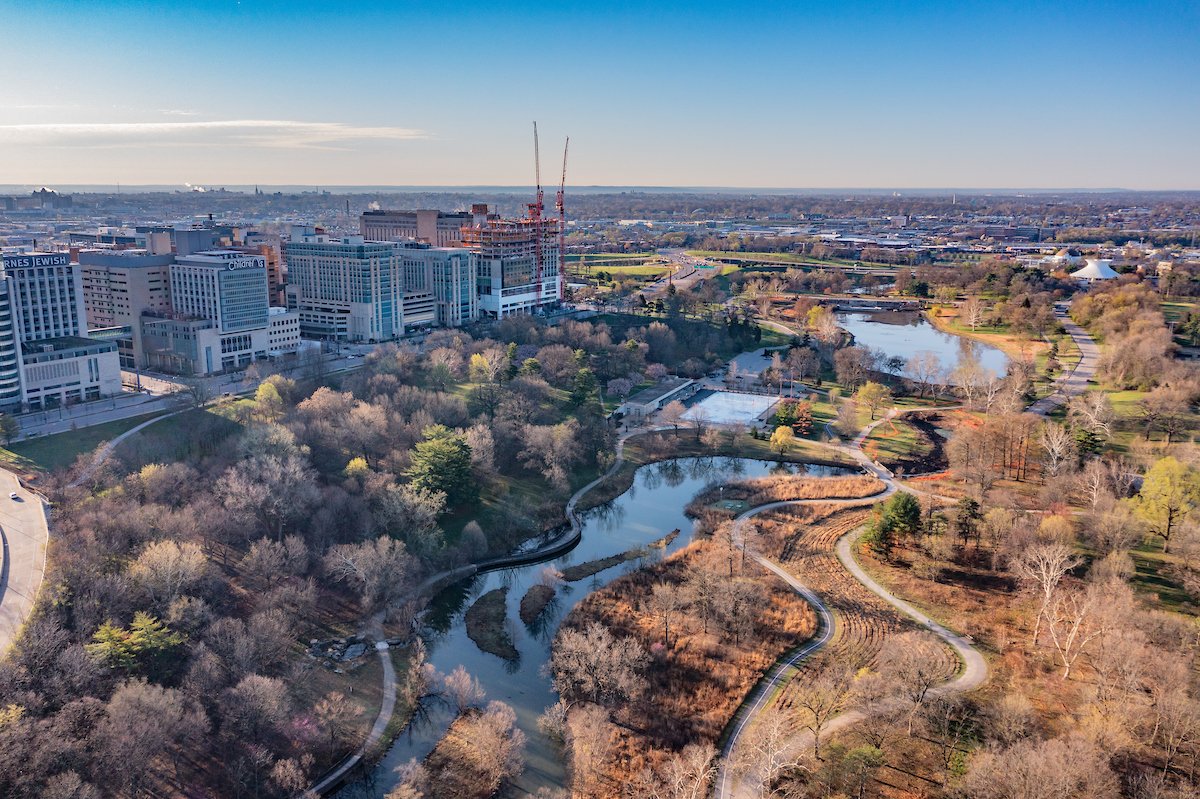
Living Waterways: Ecological Restoration, Access, and Active Mobility in Forest Park
Ted Spaid, Russ Volmert
1.0 LA CES HSW
-
From the conference center hotel, a shuttle will take you to Forest Park for a guided tour of the “River Returns” water way system. The tour offers an immersive, on-the-ground learning experience through Forest Park, one of the nation’s most celebrated urban parks, spanning more than 1300 acres. Participants will travel through a series of recently completed and ongoing projects along the waterway, led by local landscape architects and project team members directly involved in the work. Your journey will primarily be on flat easy to ride surfaces with a total length of 3 miles.
Beginning at the Jefferson Lake Overlook you can take in the recently completed 40-acre eastern waterway project. This portion of the tour highlights improvements to fish habitat restoration, developed in partnership with the Missouri Department of Conservation, enhanced fishing access, and integrated stormwater management strategies that improve water quality and ecological performance while supporting recreational use.
Participants will experience Forest Park’s dual path system, designed to safely accommodate both wheeled and pedestrian users. This network supports inclusive mobility, community connectivity, and accessibility for users of all ages and abilities. The tour also includes a quick peak to The Glade, currently under construction, and a discussion of the ongoing transformation of Steinberg Skating Rink into a year-round destination for park visitors.
We will wind our way through the central portion of Forest Park, through a wet meadow, short stem prairie, more formal landscapes, along Post Dispatch Lake, concluding at the historic Grand Basin and Art Hill. Five short stops are planned along the way to help interpret the various landscapes, cultural attractions, historic structures and the impact landscape architects have made on restoring this cultural treasure. The bike tour concludes at the Forest Park Visitor Center in time for the Happy Hour and Landmark Award event. A shuttle will be available to take you back to the conference center hotel.
*In the event of a rain out, we will plan for a design presentation of the Forest Park East Waterway Restoration providing a deeper dive into the changes that have recently taken place.