

Friday, April 17th
Education Sessions
7:00-8:00 AM
The Untold Story of the Five Pollinator Plots on I29
Paul Clinton
1.0 LA CES HSW
-
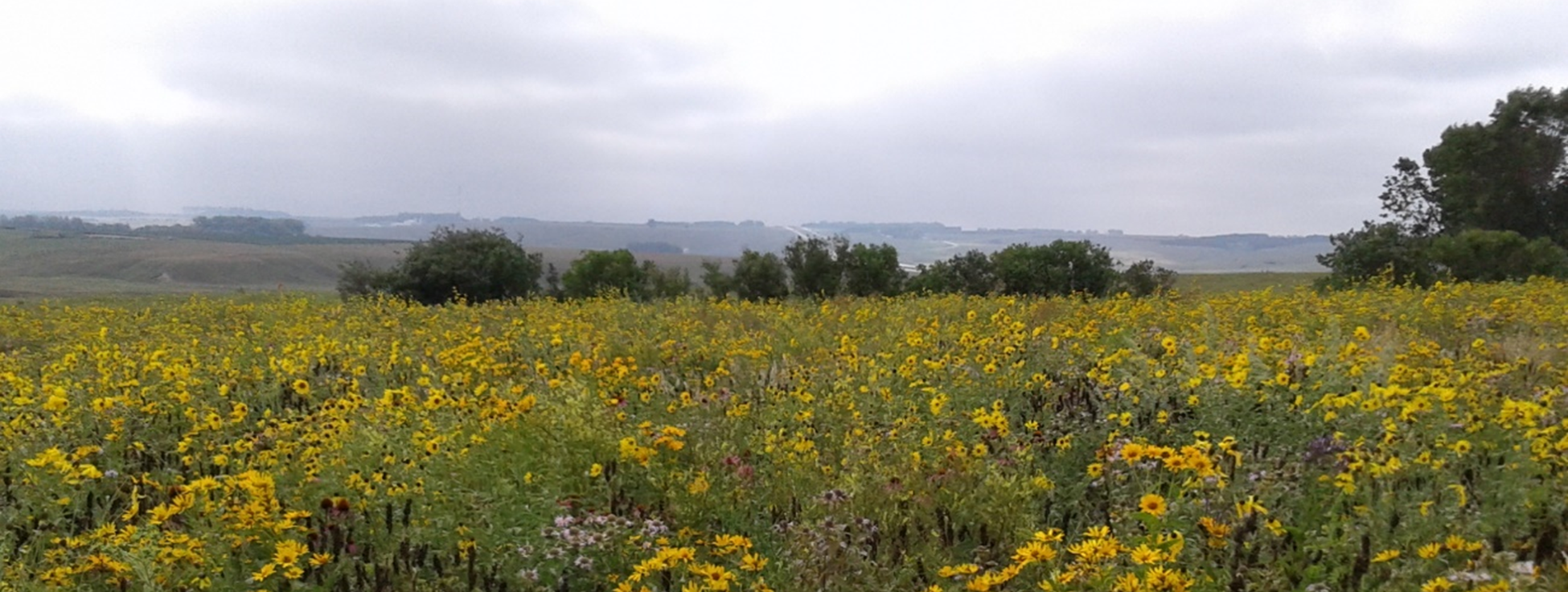
South Dakota’s rural landscape is a patchwork of agriculture and urban development that has fragmented native prairie. As a result, many species are funneled into narrow migration corridors along roadways. Rest-area landscape “nodes” can strengthen these corridors by providing diverse habitat that offers food, shelter, and nesting opportunities.
IMEG’s Paul Clinton, PLA, has played a leading role in developing and monitoring the Pollinator Habitat Plots at five South Dakota Department of Transportation (SDDOT) rest areas along the I-29 corridor in eastern South Dakota. These sites are designed to create and expand habitat for monarch butterflies and other pollinators by establishing essential resources on state-owned land, aligned with the South Dakota Monarch Conservation and Management Strategic Plan.
Collaborating closely with SDDOT and contractor, Paul addresses the real-world challenges of implementation and long-term stewardship. Management strategies balance available tools and techniques to minimize impacts to pollinators while effectively controlling invasive and noxious weeds through thoughtful mowing and herbicide recommendations.
The project applies science and technology approaches grounded in plant science, ecology, landscape performance, and site assessment. Prairie ecology guided the original seed mix and subsequent adjustments tailored to site-specific conditions. Plant identification helps distinguish desirable native species from invasive, while Floristic Quality Assessment (FQA) is used to evaluate plant composition and overall ecological integrity. A drone platform was introduced to the monitoring process to count milkweed plants annually.
This presentation highlights lessons learned, and the rewarding process of restoring, preserving, and reintroducing prairie landscapes on approximately 75 acres.
8:20-9:20 AM
Way Beyond Bigness: The Need for Watershed Architecture
Derek Hoeferlin, Jennifer Colten, Matt Green
1.0 LA CES HSW
-
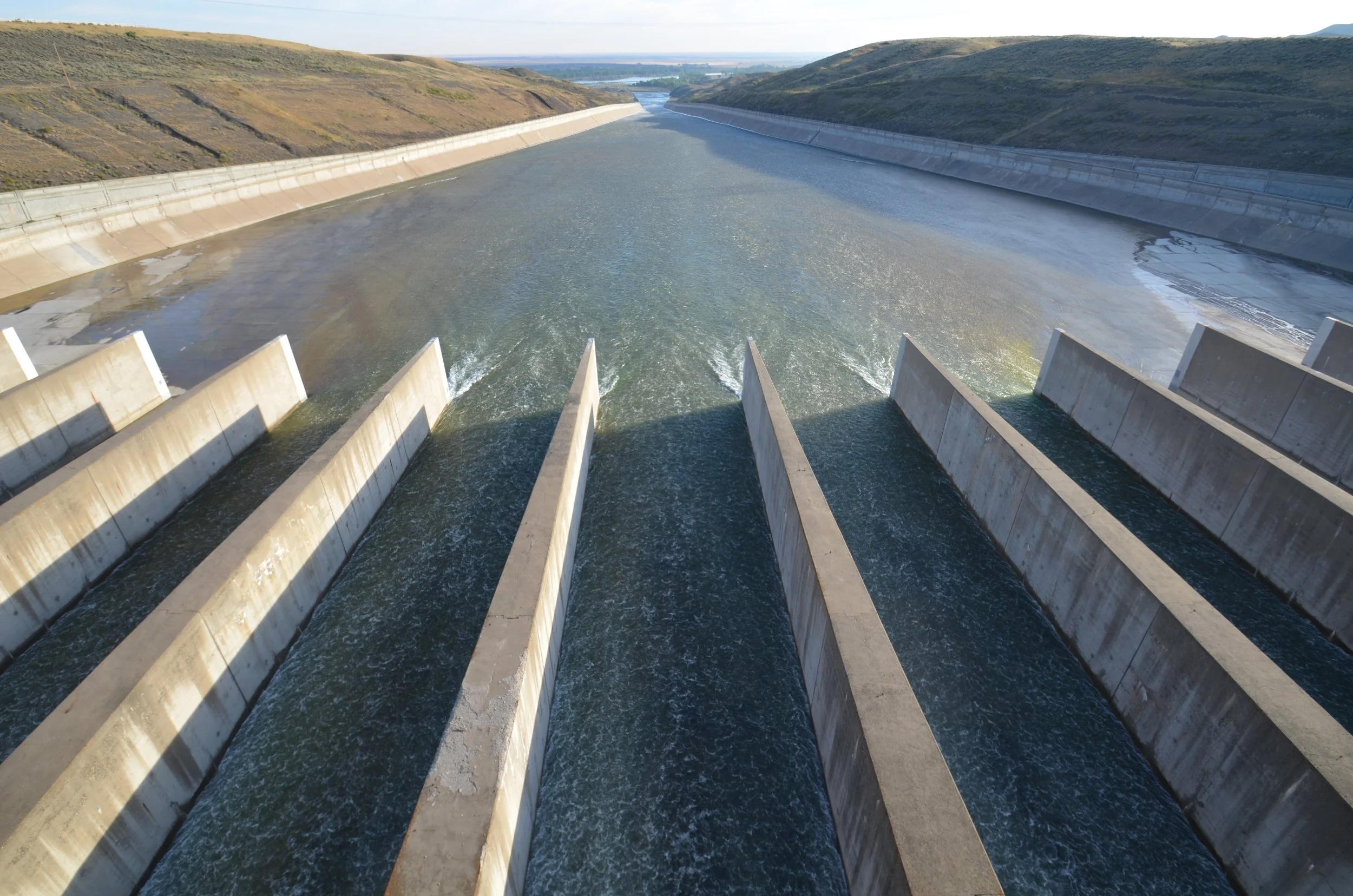
Some may say St. Louis has lost its connection to why we are here—the Mississippi River, its tributaries, and watersheds. There are multiple factors for this, ranging from the literal erasures of nature-based systems, as well as to the cultural erasures of indigenous, riverfront, marginalized communities and others in the St. Louis region. More recently, our region has been besieged by climate change-based extreme weather events. These cultural and environmental challenges affect all of us since we are all connected by water as a shared resource. But water may be our greatest asset, and the clue for an optimistic future, and particularly for the future of the landscape architecture profession.
Hoeferlin’s umbrella research project “Way Beyond Bigness: The Need for a Watershed Architecture," challenges design disciplines, including landscape architects, to collaborate outside their disciplinary definitions to confront large-scale challenges, such as climate change and infrastructural management, and to promote future trans-boundary sustainable futures, ones that are “way beyond bigness.” More importantly, this is done so across multiple scales of watersheds, defined as "watershed architecture." Hoeferlin’s book of the same title highlights his comprehensive work of almost two decades, including in depth comparative field research across the Mississippi, Mekong and Rhine, along with a diverse body of academic and multi-disciplinary professional collaborations and contributions, ranging from the speculative to the community-based.
Hoeferlin will first present an overview of the book and more specifically the Mississippi watershed, and then home in on how it specifically relates to the St. Louis region. Additional presentations of local projects by book contributors include Jennifer Colten and her ongoing photographic documentation “between the levee and the river” in the American Bottom, and by Matt Green on the river ring advocacy efforts spearheaded by River City Foundation and Big Muddy Adventures.
8:20-9:20 AM
Navigating the Expectations of Expertise with Professional Ethics
Lee Feaster, Leslie Wren, Veronica Meadows
1.0 LA CES HSW
-
With great power comes great responsibility- and the potential to abuse it. This interactive session explores how professional ethics protect the public - and your career. How do state, CLARB, and ASLA ethics guidelines relate to one another and to you? What do you need to know about the 2025 ASLA Code of Ethics update? We'll end with a discussion of complex, crunchy quandaries faced by real-world practitioners.
Our session provides perspectives from licensed landscape architects on the ASLA Ethics Committee with practice and academic experience, as well as from a CLARB executive. The panel is diverse by gender, practice experience, and states of licensure.
Field Sessions
2:00-5:00 PM
The Living Museum: Behind the Scenes at the Missouri Botanical Garden
Irene Compadre, Michael Powell, Alisa Blatter
Charling Chen, Rebecca Sucher, Derek Lyle
3.0 LA CES HSW
-
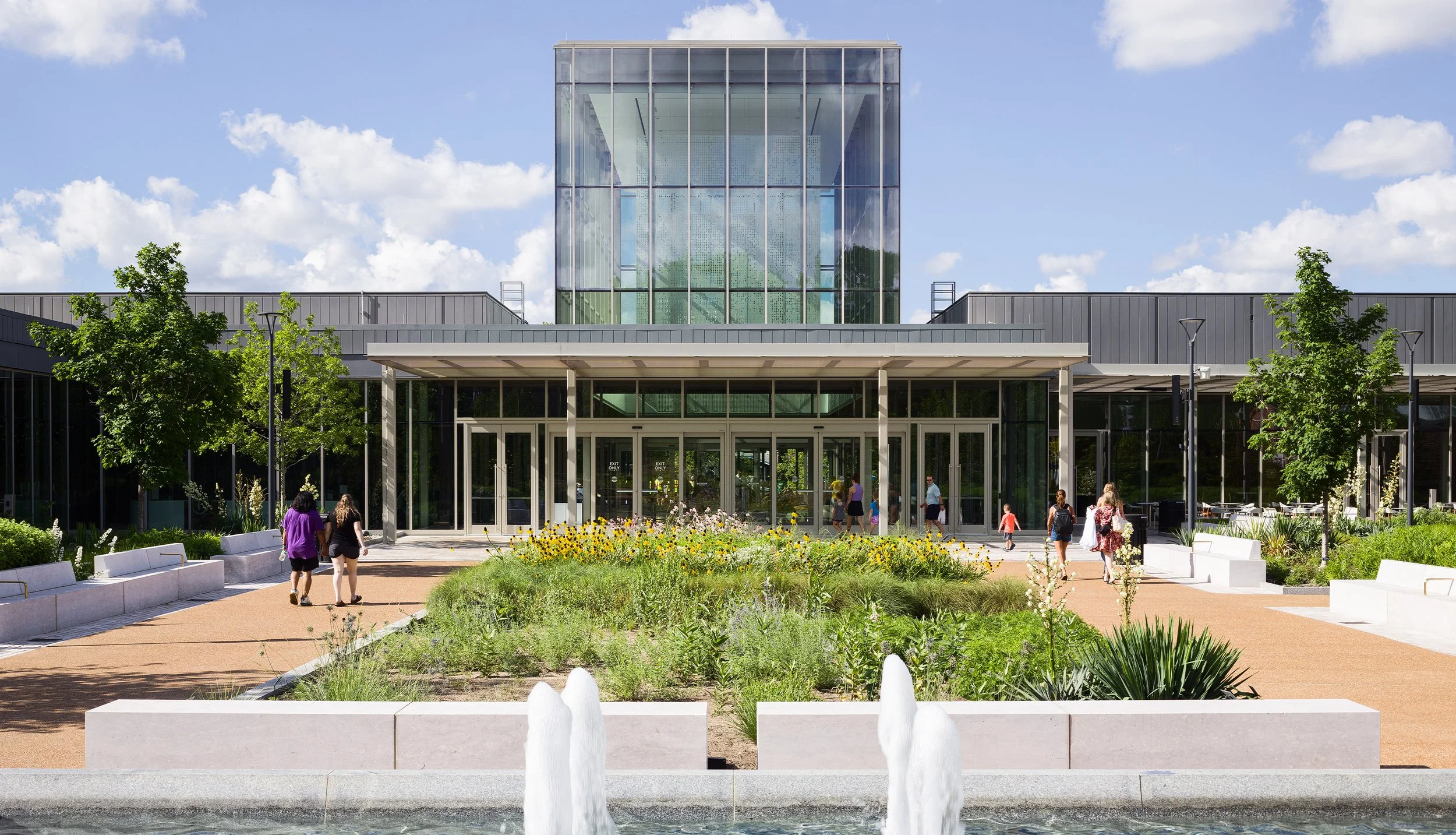
Founded in 1859, the Missouri Botanical Garden in St. Louis is one of the nation’s oldest botanical gardens in continuous operation and a National Historic Landmark. The Garden offers 79 acres of beautiful horticultural display, historic architecture, and one of the world's largest collections of rare and endangered flora. Since its founding, the Missouri Botanical Garden has not only served as an oasis in the city, but also as a leading institution of scientific research and global conservation. Its mission is “to discover and share knowledge about plants and their environment in order to preserve and enrich life.”
This field session will introduce visitors to the Garden’s history, living collections, and conservation work. Multiple tours will be offered during the session, featuring recent projects such as the Jack C. Taylor Visitor Center Landscapes and the Linnean House Renovation - both projects carried out by a design team consisting of Ayers Saint Gross, Michael Vergason Landscape Architects, and Arbolope Studio. Beyond the overall design and development of the exterior spaces, the landscape architectural design team worked closely with the Garden’s Horticulturalists to research and select thousands of rare plant species from growers throughout the country and research sites around the world, all for use in this legacy landscape. Within the Visitor Center and the Linnean House next door (the oldest Orangerie west of the Mississippi), custom artworks by Arbolope bring science and art together as part of the interpretive visitor experience. Attendees will also have the opportunity to visit the Garden’s back-of-house greenhouses. This field session will be jointly led by members of the design team from Arbolope Studio as well as Garden staff from multiple divisions, providing diverse insight into the design process and implementation of these projects.
2:00-5:00 PM
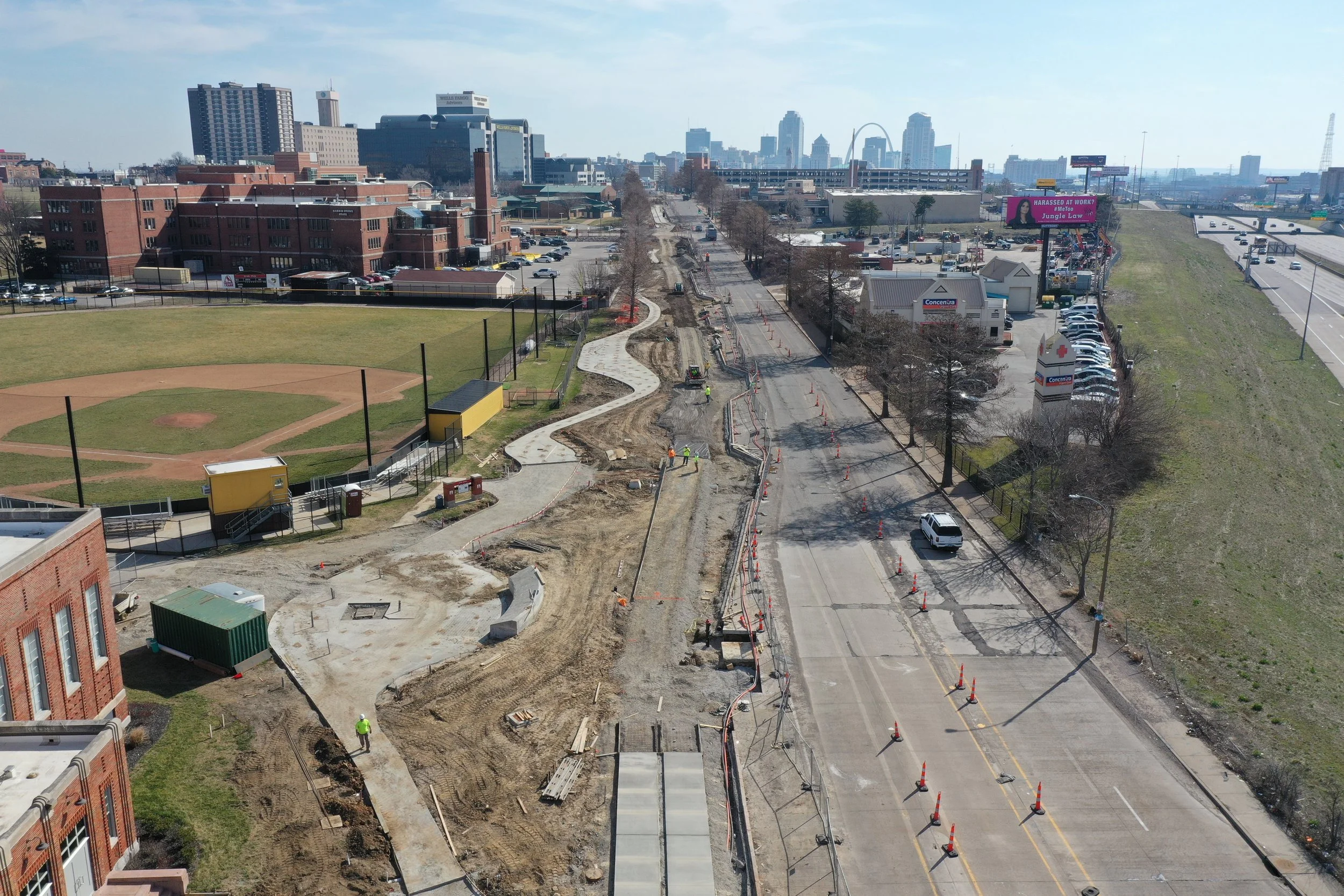
Brickline Greenway: An Urban Landscape that Uncovers and Retells the Story of Mill Creek Valley
Mark Vogl, Neil Eisenberger
3.0 LA CES HSW
-
This field session explores the Brickline Greenway, a major urban greenway initiative connecting neighborhoods, parks, and cultural destinations across St. Louis. Participants will examine how landscape architecture, green infrastructure, and active transportation systems are integrated to improve environmental conditions, mobility, and community connectivity. The tour highlights the Mill Creek Valley section of the greenway, where landscape design, public art, and interpretation reveal the history of a historically displaced neighborhood while supporting equitable urban redevelopment.